NEW DELHI: Not a single repoll has been recommended across the 44,376 polling stations in West Bengal or the 75,064 polling stations in Tamil Nadu that went to polls on Thursday, EC sources told TOI on Friday. This is a break from the pattern of multiple repolls recommended in the past elections, particularly in West Bengal, on account of political violence and alleged electoral malpractices.
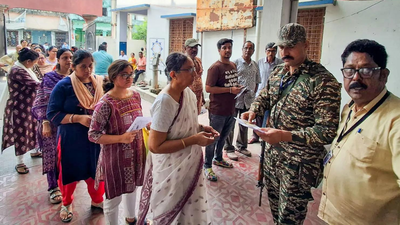
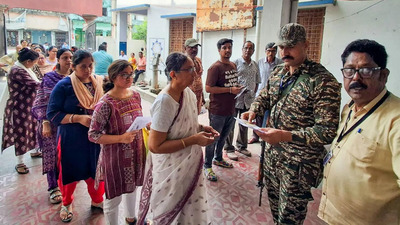
Both West Bengal and Tamil Nadu had witnessed the highest ever polling percentages on Thursday. West Bengal clocked nearly 92.9% turnout in its first poll after the deletion of around 83 lakh electors from the state’s rolls due to special intensive revision (SIR).A three-point verification was put in place at all the polling stations of West Bengal on Thursday, as to keep a tight check on electoral malpractices associated with past elections in the state, known in common parlance as ‘chaapa’, ‘source jamming’ and ‘booth jamming’. Sources in EC told TOI that the purpose was to restrict polling station access to only the “authorised” parties like voters, polling personnel, security personnel, candidates and their polling/booth agents. “No outsider or unauthorised person, who was not carrying an identification document authorising him to enter the polling station, was allowed even in the vicinity of the polling station,” said a commission official. The first point of verification was the immediate area surrounding the polling station. Section 163 of the Bharatiya Nyaya Sanhita (BNS) (which corresponds with Section 144 of erstwhile CrPC) was imposed on Thursday within a 200 metre area of the polling stations. Identity papers of each person entering this area were checked and only genuine electors, election officials etc allowed entry.The second round of verification was done at the point of entry to the polling station. Booth level officers and volunteers of the NSS and NCC were deployed to check each person before letting him queue up for voting. This included verifying the identity of ‘pardanasheen’ women (women wearing face veils as a religious custom) by female staff. The latter, as instructed by EC, checked the identity card, voter card or voter slip of each person before allowing them to proceed to the voters’ queue.The third verification was the normal identity check performed by the polling officer inside the polling booth, before the elector gets his finger inked and casts his vote. An officer said that in the past polls in West Bengal, party workers and anti-social elements backed by certain parties would park themselves outside the polling stations, deterring electors they suspected to be supporters of rival parties, from heading to the polling station. This helped prevent booth jamming, a practice followed in rural areas where the electors are asked not to head to the polling stations by citing violence, disorder or some blockage along the access route; and source/gate jamming wherein electors in urban areas are discouraged to venture out of their homes for voting, on the pretext that their votes have already been cast by others.Also, there was no ‘chaapa’ — wherein the polling parties are threatened inside the polling stations and votes cast through impersonation — thanks to the three-point verification that kept party-backed anti-social elements off the polling stations’ limits.


