
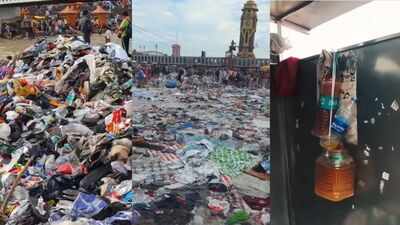
HARIDWAR: The Kanwar Yatra may have ended in Haridwar, but the city is now grappling with the massive waste left behind by the record number of pilgrims who visited during the annual pilgrimage.Around 4.8 crore Kanwariyas collected Ganga water from Har-ki-Pauri this year, according to police estimates, surpassing last year’s record of 4.5 crore. But the unprecedented footfall has also left behind an estimated 8,000 metric tonnes of waste across ghats, mela grounds, parking areas and Kanwar routes.Haridwar Municipal Corporation officials said the waste included large quantities of plastic sheets, discarded clothes, bottles and other material left by pilgrims. In some areas, garbage heaps were reported to have piled up to waist height.The condition of some facilities was particularly poor. Bottles containing urine were found hanging in women’s changing rooms, highlighting the extent of the sanitation challenge faced by civic authorities after the pilgrimage.The municipal corporation has launched a special cleanliness drive that will continue for another week to clear the remaining waste from the city’s Kanwar areas. Officials said a significant portion of the discarded clothing is being segregated as part of a textile-waste recycling initiative being carried out in collaboration with NGOs.The waste generated this year is higher than the estimated 7,000 metric tonnes collected after the 2025 Kanwar Yatra, when around 4.5 crore pilgrims visited Haridwar.Last year, sanitation workers had struggled to clear garbage from the Ganga ghats, riverbanks, parking lots, Kanwar routes and highways. Plastic sheets, polybags, disposable plates and cups, as well as discarded clothes, were among the most common waste items.
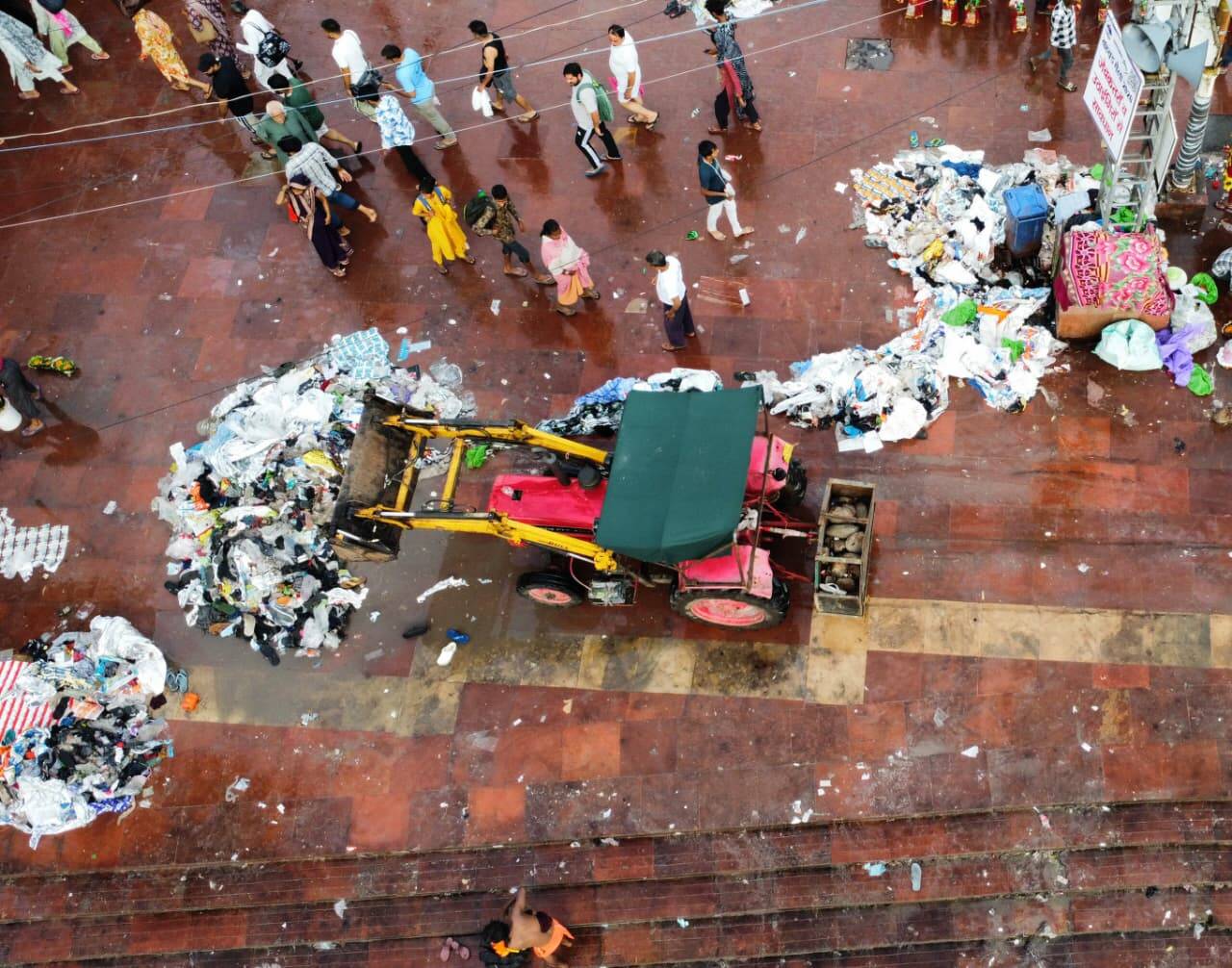
Around 4.8 crore Kanwariyas collected Ganga water from Har-ki-Pauri this year.
The scale of this year’s waste comes even as authorities claimed that the record pilgrimage caused less disruption to civic life than in previous years.Police attributed the relatively smoother traffic movement to advance planning, designated Kanwar routes and the newly operational Delhi-Dehradun Expressway. Kanwariya traffic was kept off the expressway, allowing regular vehicles travelling towards Dehradun to use the route while reducing pressure on the Delhi-Haridwar road.In Jwalapur, Kanwariyas were diverted from the highway to the service road and then routed through the Kanwar Canal, keeping them away from residential areas. In Kankhal, Dak Kanwar vehicles were stopped and parked at Bairagi Camp to prevent congestion inside the city.Police also restricted large DJ-equipped Kanwar vehicles from entering the district, citing concerns over noise pollution and disputes between groups.Despite the traffic arrangements, the pilgrimage took a human toll. Police said 12 Kanwariyas died by drowning and six others were killed in road accidents. Nearly 400 pilgrims were rescued after being swept away while taking a dip in the Ganga. Eight unidentified bodies were also recovered, with efforts underway to establish their identities.
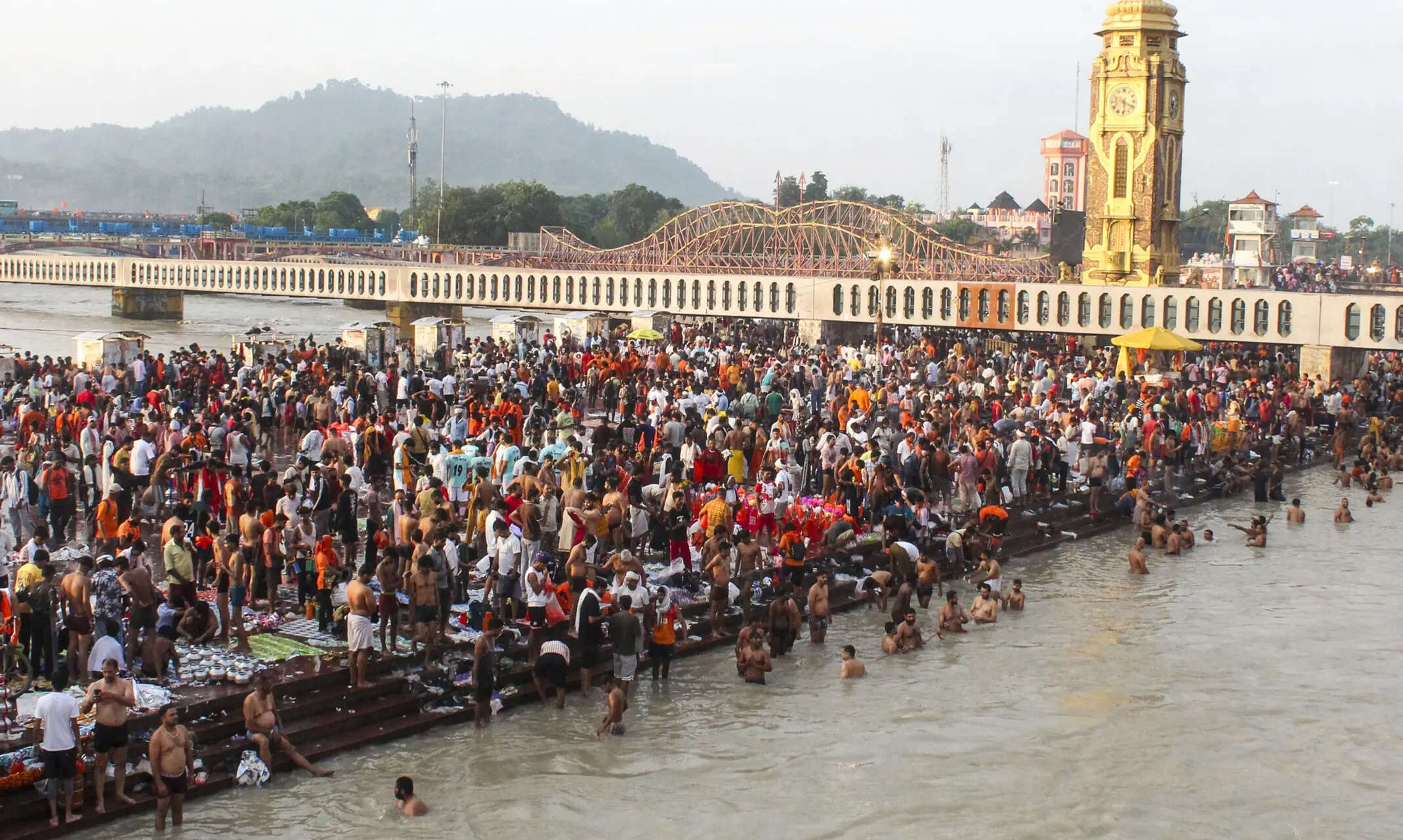
Haridwar: �Kanwariyas� gather to collect holy water from the Ganga river for the ‘Kanwar Yatra’ pilgrimage during the month of ‘Shravan’, at Har Ki Pauri Ghat in Haridwar. (PTI Photo)(PTI08_09_2026_000008B)
With the pilgrimage over, the focus has now shifted from managing the crowds to restoring Haridwar’s public spaces and riverfront areas — and dealing with the enormous volume of waste left behind by the record footfall.


