
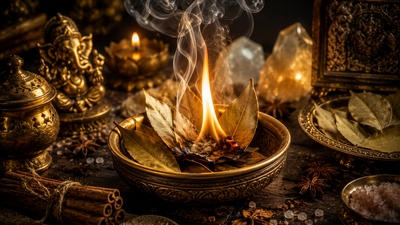
Debt can feel heavier than money sometimes, especially for those who are under the malefic influence of Saturn, the planet of karma. It puts strain on our minds, creates tension in our homes, and creates fearful thoughts about the future. After working hard and earning money, bills are still there to remind you that you owe money! Payments are missed, and previous loans come up time after time. There are some spiritual remedies to remove stuck energy! One very simple way to relieve debt karma and bring about a greater flow of money into your life is to burn a bay leaf. Bay leaves are most often associated with cooking, but they have been linked to protection, task completion, and wish fulfilment in many ways throughout history. So when you are burning a bay leaf, it represents your intention to release all that you are holding onto from a financial standpoint, such as fear, negative thought patterns regarding money, and a shift in focus towards repayment. This is not a substitute for real financial action; it is just an action to support your mindset and self-discipline.
Why Bay Leaf Is Used for Money Energy
The bay leaf’s energy is associated with fire, clarity, and release. Traditionally, fire is used to remove old energy. When you burn the bay leaf (in entirety) as an energetic purging process, you are letting go of that weight you feel you have been carrying because of your debt. If debt has put you in a mental box, this ritual will help you get out of it. You will no longer be focused on the pressure surrounding you; instead, you will focus on solutions! This entire ritual will work best when you combine faith with action. Burning a bay leaf while ignoring your bills will not improve your financial situation. A ritual is also necessary.
How to Do the Ritual Safely
Write the word Debt-Free on a single dry bay leaf. Find a safe, well-ventilated location where you can burn the bay leaf in a fire-safe container (e.g., a metal bowl or fireproof platter). Have a bowl of water nearby for fire safety. Once you hold the bay leaf in your hands, concentrate on the dollar amount of the debt you wish to eliminate (don’t become anxious; remain calm). As you reflect on this amount, and how it makes you feel, say the phrase “I release all fear I have around money, welcome discipline regarding my money, will receive honest income, and will clear this debt.” Next, carefully burn the bay leaf until it is nothing but ash. Be very careful not to get your hand/arm too close to the flame. Be careful not to perform this ritual near curtains, paper products, gasoline, or children. After the ash cools completely, dispose of it respectfully by burying it in the ground outside or elsewhere.
Best Time to Burn Bay Leaf
The appropriate time to burn the bay leaf is in the evening, as it will help you push away the stresses of the day. However, you can burn the bay leaf on Thursday, Friday, or Saturday if you are inclined. Under no circumstances should this ritual be performed out of anger or desperation! Allow yourself to sit quietly before performing the ritual. The calmer you can get your mind, the better you can concentrate on how you want to clear your debt.
What to Do After the Ritual
Make a list of every debt you owe someone, including the total dollar amount, the due date, and the minimum payment; then choose the first debt you want to take care of. Send a reminder notice to the person who owes you money for what they owe you and make a small payment to them if you can afford it; remove one item from your monthly budget that isn’t essential; don’t take on any additional debt for emotional comfort. After you have cleared your debt karma with the bay leaf, you will feel “lighter” and “more focused.” Burning the bay leaf will help you release your debts, but it is very important to remember the deeper lesson that debt is cleared through the combination of intention, discipline, and practical action.


