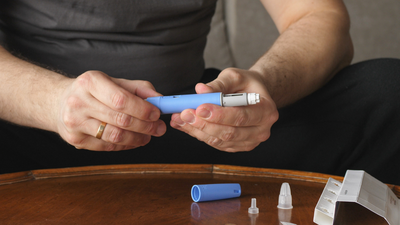
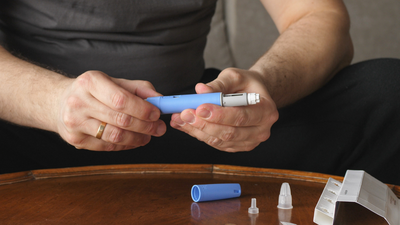
Weight-loss drugs have become one of the most talked-about health trends in recent years. From celebrity interviews to social media transformation videos, medications such as Ozempic are often portrayed as quick fixes for shedding extra kilos. It is easy to understand why. The promise of losing weight without constantly battling hunger sounds appealing to many.But there is another side to the conversation that deserves equal attention.These medications were never designed to be beauty treatments or shortcuts to fitting into a smaller clothing size. They were developed to treat chronic medical conditions and, in many cases, are prescribed to people whose excess weight is affecting their health. Like every medicine, they come with benefits, risks and responsibilities.According to Dr Vivek Bindal, Senior Director & Head – Max Institute of Minimal Access, Bariatric & Robotic Surgery, Max Super Speciality Hospital, Vaishali, people should think beyond the number on the weighing scale and understand what these medications can and cannot do.
Weight-loss medicines are not meant for everyone
One of the biggest misconceptions surrounding drugs such as semaglutide is that they are cosmetic treatments.“Ozempic and other weight-loss medications are increasingly being discussed by people as a simple solution for weight loss, with many considering them the easy way out. But while there are certain individuals who would benefit from using such a drug under a doctor’s supervision, experts caution against thinking about these drugs as a quick solution for weight loss over the course of several months or years.”He further explained, “One major misconception regarding weight-loss medications is that they are simply a means to enhance appearance. In reality, drug treatments such as semaglutide are used to treat patients with either obesity or a medical condition impacted by being overweight—provided that the potential benefits of using the drug outweigh the risks of using the drug.”This approach is consistent with recommendations from the US National Institute of Diabetes and Digestive and Kidney Diseases (NIDDK), which states that prescription weight-loss medicines are generally intended for adults with obesity or those who are overweight and have weight-related health conditions, alongside diet and physical activity, not instead of them.
The side effects often begin in the stomach, but they may not end there
The most commonly reported side effects affect the digestive system.Many people experience nausea, vomiting, stomach discomfort, bloating, constipation, diarrhoea or a feeling of fullness after eating only a small amount. These symptoms usually appear because medications like semaglutide slow down the movement of food through the stomach.Dr Bindal said, “Reports of side effects are typically centred around the digestive system. A patient may have one or more of the following experiences while taking diabetic medications: feelings of nausea, vomiting, stomach discomfort, bloating and feeling like you cannot eat anymore too quickly as well as having constipated or loose stool. Many of these symptoms will improve; however, if the medication is increased too quickly or not taken under the supervision of a medical professional, they can worsen and lead to serious health consequences.“For many people, these symptoms improve over time as the body adjusts. However, increasing the dose too quickly or taking the medicine without medical supervision may increase the risk of more serious complications.The US Food and Drug Administration (FDA) also advises patients to use these medicines exactly as prescribed and to report severe abdominal pain, persistent vomiting or other concerning symptoms promptly.
Losing weight should not mean losing muscle and nutrition
The weighing scale does not reveal what kind of weight is disappearing.When calorie intake drops sharply, the body may lose muscle along with fat. Muscle is essential for strength, balance and maintaining a healthy metabolism. Losing too much of it can make everyday activities feel harder and may reduce the body’s energy needs, making long-term weight maintenance more difficult.Dr Bindal explained, “The second issue is that muscle loss happens very quickly with the loss of fat. Weight loss is always a good thing; however, if someone is not eating enough protein or doing resistance exercises, then you could lose muscle in the process. This will slow down your metabolism and lead to a lot of weakness over time.”Reduced appetite may also create another challenge.“You could potentially develop nutritional deficiencies. Individuals who eat significantly less than normal due to a low appetite can have an insufficient amount of protein, vitamins and certain important minerals. Fatigue, thinning hair, and a reduction in energy could result from this.”This is one reason healthcare professionals often encourage adequate protein intake and strength training while using weight-loss medications. The goal is not just to lose weight, but to preserve health while doing so.
There are risks that many people never hear about
Some of the more serious side effects receive far less attention than dramatic before-and-after photos on social media.According to Dr Bindal, “We may also monitor for gallbladder-related complications, dehydration and due to the pancreas becoming inflamed. This is less common but we still will look for these complications with those in use. People with pre-existing gastrointestinal conditions or some endocrine disorders may need to have further evaluation before starting treatment.”Although these complications are uncommon, they highlight why medical supervision matters.Doctors assess a person’s overall health before prescribing these medicines and continue monitoring throughout treatment. Someone with existing digestive disorders, a history of pancreatitis or certain endocrine conditions may require additional evaluation before beginning therapy.Weight-loss medication should never be borrowed from friends, purchased without medical advice or taken simply because it is trending online.
The medicine may help you lose weight, but your habits help you keep it off
Perhaps the biggest misunderstanding is believing that the medication permanently solves the problem.Dr Bindal cautioned, “Unrealistic expectations are another concern when looking at medication. Although the medication will not turn off weight gain permanently, if you do not continue to make positive lifestyle choices after stopping the medication, you will regain the weight you lost. To maintain results from being on medication, you will need to continue to eat healthy, exercise regularly, get adequate sleep, and manage your stress.“He added, “Lastly, if you have a chronic medical condition or obesity, it warrants a functional approach to medical care instead of a quick and easy option.”His advice ends with an important reminder, “So instead of asking, ‘How quickly can I lose weight?’ ask yourself, ‘Am I going to be able to maintain my health once I have lost weight?’ Medications for losing weight may be great tools when used properly. These medications do not replace healthy lifestyle habits.”That question shifts the focus from speed to sustainability. A healthier body is built over months and years, not through shortcuts. Medicines can open the door, but walking through it still requires consistent eating habits, regular movement, good sleep and realistic expectations.Medical experts consultedThis article includes expert inputs shared with TOI Health by:Dr Vivek Bindal, Senior Director & Head – Max Institute of Minimal Access, Bariatric & Robotic Surgery, Max Super Speciality Hospital, Vaishali.Inputs were used to explain the hidden risks of Ozempic and similar weight-loss drugs, why they are not suitable for everyone, and why medical guidance is essential before starting treatment.


